
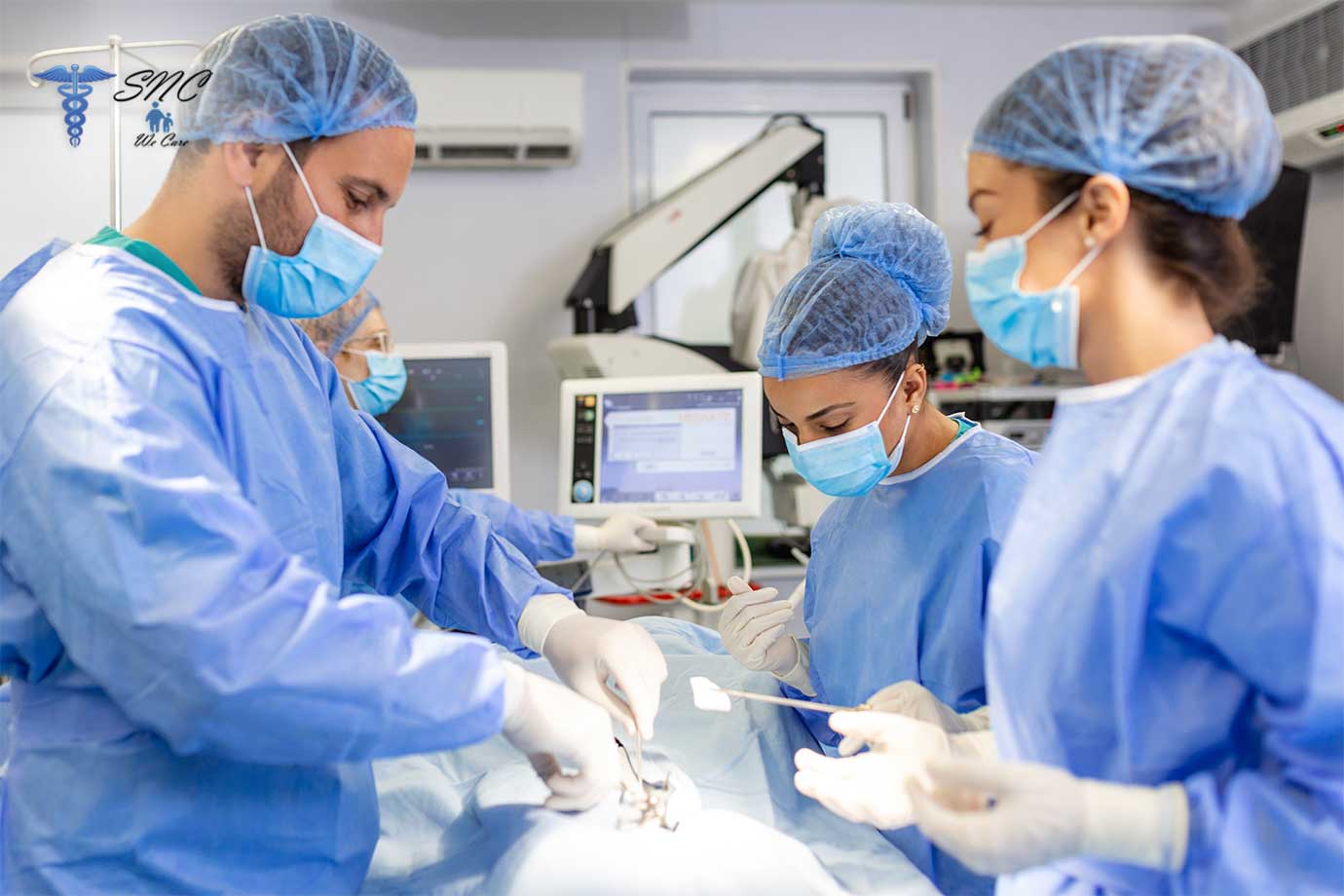
Cystoscopy for Bladder Stone Treatment at SatNarayan Hospital, Delhi

Cystoscopy Surgeries

Bladder stones are a common urological condition that can cause significant discomfort if left untreated. Symptoms such as painful urination, frequent urge to urinate, blood in urine, and lower abdominal pain often indicate the presence of bladder stones. Fortunately, with advancements in medical technology, cystoscopy has become a highly effective and minimally invasive procedure for diagnosing and treating bladder stones.

At SatNarayan Hospital, Budh Vihar, Delhi, we offer advanced cystoscopy for bladder stone removal, ensuring safe, precise, and patient-friendly treatment under expert urological care.

What Are Bladder Stones?

Bladder stones are hard mineral deposits that form in the bladder when urine becomes concentrated and minerals crystallize. They are often associated with:

  1. Incomplete bladder emptying
  2. Enlarged prostate (BPH)
  3. Urinary tract infections (UTIs)
  4. Long-term catheter use
  5. Neurogenic bladder conditions

If not treated on time, bladder stones can lead to recurrent infections, bladder damage, and severe urinary problems.

What Is Cystoscopy?

Cystoscopy is a minimally invasive endoscopic procedure used to examine the inside of the bladder and urethra. A thin, flexible tube with a camera (called a cystoscope) is inserted through the urethra, allowing the doctor to directly visualize and treat bladder stones.

For bladder stone treatment, cystoscopy may be combined with lithotripsy, where stones are broken into smaller fragments using laser or ultrasonic energy and then removed safely.

When Is Cystoscopy Recommended for Bladder Stones?

Cystoscopy is recommended when:

  1. Bladder stones are detected via ultrasound or X-ray
  2. There is recurrent urinary infection or blood in urine
  3. The stone size is manageable through endoscopic removal
  4. Symptoms persist despite medication
  5. Diagnosis of underlying bladder or prostate condition is required

It is both a diagnostic and therapeutic procedure, making it highly effective.

How Cystoscopy Bladder Stone Surgery Is Performed?

  1. Anesthesia
    The procedure is usually done under local, spinal, or short general anesthesia, depending on stone size and patient comfort.
  2. Insertion of Cystoscope
    A cystoscope is gently inserted through the urethra into the bladder.
  3. Stone Visualization & Fragmentation
    Transparent pricing and economical packages for BPH surgery.
  4. 24/7 Emergency & ICU Support
    The stone is located, and laser or mechanical devices are used to break it into small pieces.
  5. Stone Removal
    Fragments are flushed out or removed using special instruments.

The procedure typically takes 30-60 minutes.

Benefits of Cystoscopy for Bladder Stone Treatment

PCNL offers several advantages over traditional open surgery and other stone removal methods:

  1. Minimally Invasive - No cuts or stitches
  2. Quick Recovery - Most patients go home the same day.
  3. Accurate Diagnosis - Direct bladder visualization.
  4. Low Complication Risk
  5. Effective Stone Removal
  6. Short Hospital Stay

Cystoscopy offers excellent results with minimal discomfort when performed by experienced urologists.

Recovery After Cystoscopy Bladder Stone Removal

  1. Immediately After Procedure
    • Mild burning during urination (temporary)
    • Slight blood in urine for 24-48 hours
    • Increased fluid intake recommended
  2. Within 1-3 Days
    • Return to normal daily activities
    • Symptoms improve significantly
  3. Follow-Up
    • Ultrasound or urine tests to confirm complete stone clearance
    • Treatment of underlying causes like prostate enlargement if needed

Why Choose SatNarayan Hospital for Cystoscopy in Delhi?

SatNarayan Hospital is a trusted name for urology and minimally invasive procedures in Delhi.

Our Strengths:

  • Experienced Urology Specialists
  • Advanced Endoscopic Equipment
  • In-House Ultrasound & Lab Facilities
  • Affordable & Transparent Pricing
  • Personalized Patient Care
  • Convenient Location in Budh Vihar, Delhi

We focus on accurate diagnosis, effective treatment, and patient comfort.


FAQs

  • Q1. Is cystoscopy painful?

    Cystoscopy is usually painless or causes only mild discomfort due to anesthesia.

  • Q2. How long does cystoscopy take?

    The procedure generally takes 30-60 minutes.

  • Q3. Is hospitalization required?

    Most cases are day-care procedures, and patients can go home the same day.

  • Q4. Can bladder stones come back after cystoscopy?

    Yes, if underlying causes are not treated. Proper follow-up and lifestyle changes reduce recurrence.

  • Q5. Who is not suitable for cystoscopy?

    Very large stones may require alternative surgical procedures. Your doctor will advise the best option.

  • Q6. When can I resume normal activities?

    Most patients resume routine activities within 1-2 days.

Conclusion

Cystoscopy is a safe, effective, and minimally invasive solution for bladder stone treatment. At SatNarayan Hospital, Budh Vihar, Delhi, we combine advanced technology with expert care to deliver successful outcomes and fast recovery. Early diagnosis and timely treatment can prevent complications and improve quality of life.

Book Your Consultation Today

Budh Vihar, Phase-1, Main Kanjhawala Road, Delhi
Phone: +91-971 863 9485

Request Service

Enter your contact details here to help us serve you better & faster.

New Patient Special Offer Complimentary Consultation